All Categories
Featured
Eco-Conscious Maintenance At SOCAL Industrial Facilities
Implementing Drought-Resistant Landscaping Across Los Ang...
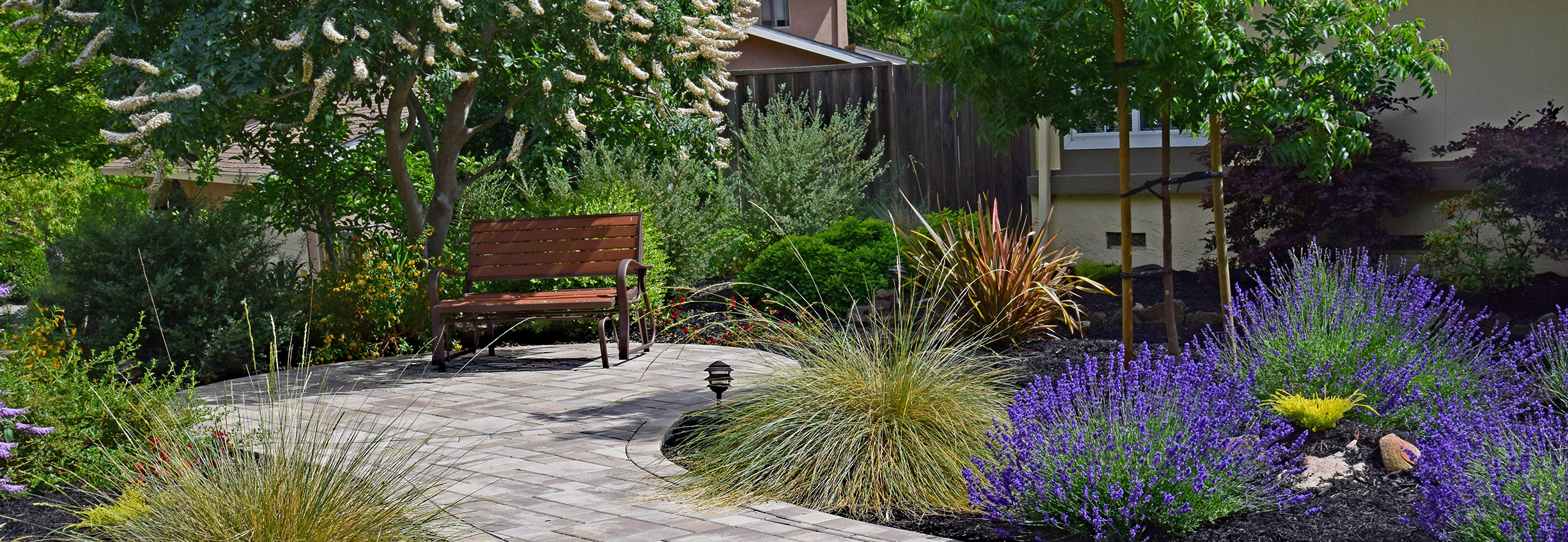

Major Benefits for Integrating Native Flora Species
Table of Contents
"Individuals don't understand that mainstream plants such as camellias and boxwood, for example, can go months without water," said horticulturist Tom Ash of WeatherTRAK, a company that developed weather-based sprinkler timers that water only when they sense your plants require it. "Property owners typically overwater their landscapes by 50 percent," he said.
Don't confuse friendly with native. While many locals are drought-tolerant, so too are luscious-looking plants from all over the world. A California-friendly landscape has to do with the plants. And it is likewise about the plant keeper: the house owner who chooses when and just how much to water and takes an active role in where the water goes.
Large shade trees help keep the landscape cool and moist, particularly during our long, hot summertimes. Pick proper plants. If you believe yuccas are yucky, dig a little deeper into your gardening books to find plants that count on a lot less water than possibly you thought. For example, daffodils do not require a drop of water in the summertime, if you get my drift.
Grass is the largest water drinker in the landscape, requiring 70 percent of the landscape water we utilize. On the other hand, it is likewise effective at managing erosion and lowering overflow on slopes. Utilize it only where it will become part of the solution. Water less. The No. 1 reason that plants fail is overwatering, a truth that many homeowners persist to yield.
Targeting Peak Resource Efficiency for Orange County
You may be astonished at how much your plants can live without. Do not lose water. Ash says that of the 70,000 gallons we utilize on landscapes a year, 50 percent is wasted in overflow, irrigation leaks and overwatering. Control runoff. According to the Surfrider Foundation and Orange County Coastkeeper, letting water struck the curb for any factor is bad.
3 inches of mulch go a long way towards retaining the water we do use. If you think you are already competent at conserving water in your landscape, you can check your guts to find out.
All gardens will be evaluated by the public very first ("American Idol"-design), who can see and vote online at from June 1 to July 1. Learn about the plants you already have.
Proven Advantages of Integrating California-Friendly Plant Species
Group plants according to water requirements. California-friendly plants can include and are not limited to ornamental grasses, bulbs, shrubs, locals, succulents and a lot of plants from Mediterranean climates worldwide. Let a creative style, and not always the plants, take center phase.
Mulch, mulch, mulch and don't forget to mulch. The judges will be searching for 3 inches a minimum of. 5. Install a weather-based timer that senses the moisture level in your soil and the air and combines the info with knowledge of your landscape to water only when your plants require it.
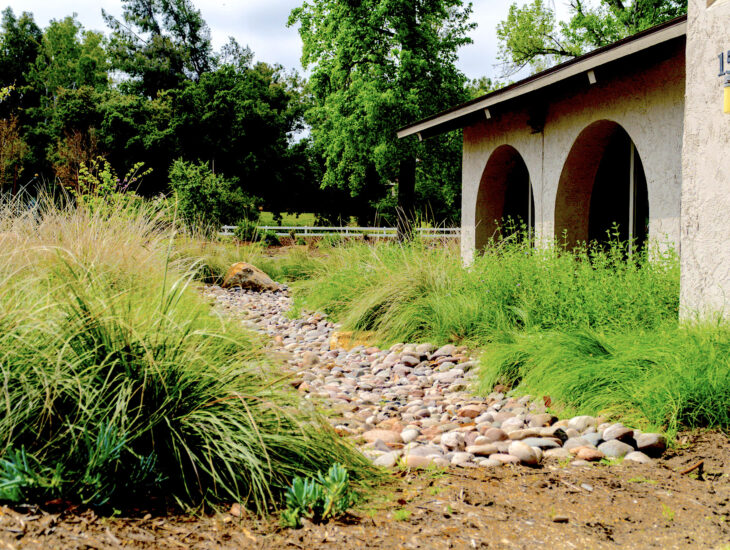
Find out to read your landscape, look at the soil and plants and think about the climate before you turn the water switch on. Make sure a single drop never ever hits your driveway or the rain gutter. Look into permeable hardscape items such as pavers and gravel that filter water before it trickles into the watershed.
Go natural. Enough stated. 10. Provide drier landscapes a good reputation by keeping your landscape pinched and pruned to excellence. Low water does not imply low upkeep. Low maintenance doesn't suggest sloppy. or 714-796-5023.
All gardens will be judged by the public first ("American Idol"-style), who can view and vote online at from June 1 to July 1. Learn about the plants you already have.
Tracking Primary ESG Success Indicators
Group plants according to water requirements. 2. Broaden your plant palette. California-friendly plants can consist of and are not limited to decorative grasses, bulbs, shrubs, locals, succulents and many plants from Mediterranean environments worldwide. 3. Pay attention to style. Not all drought-tolerant landscapes need to be dull as dirt. Let an imaginative design, and not necessarily the plants, take spotlight.
Mulch, mulch, mulch and do not forget to mulch. The judges will be trying to find 3 inches at least. 5. Set up a weather-based timer that senses the wetness level in your soil and the air and integrates the information with understanding of your landscape to water only when your plants need it.
Be your own clever timer. Discover to read your landscape, take a look at the soil and plants and consider the climate before you turn the water turn on. 7. Control overflow. Make sure a single drop never strikes your driveway or the rain gutter. 8. Check out permeable hardscape items such as pavers and gravel that filter water before it drips into the watershed.
Commercial Landscaping LakewoodAdopting New Sustainability Benchmarks for 2026
Go organic. Provide drier landscapes a great reputation by keeping your landscape pinched and pruned to excellence. Low water does not suggest low maintenance.

Latest Posts
Eco-Conscious Maintenance At SOCAL Industrial Facilities
Partnering with Experts for Municipal Success

Implementing Drought-Resistant Landscaping Across Los Angeles